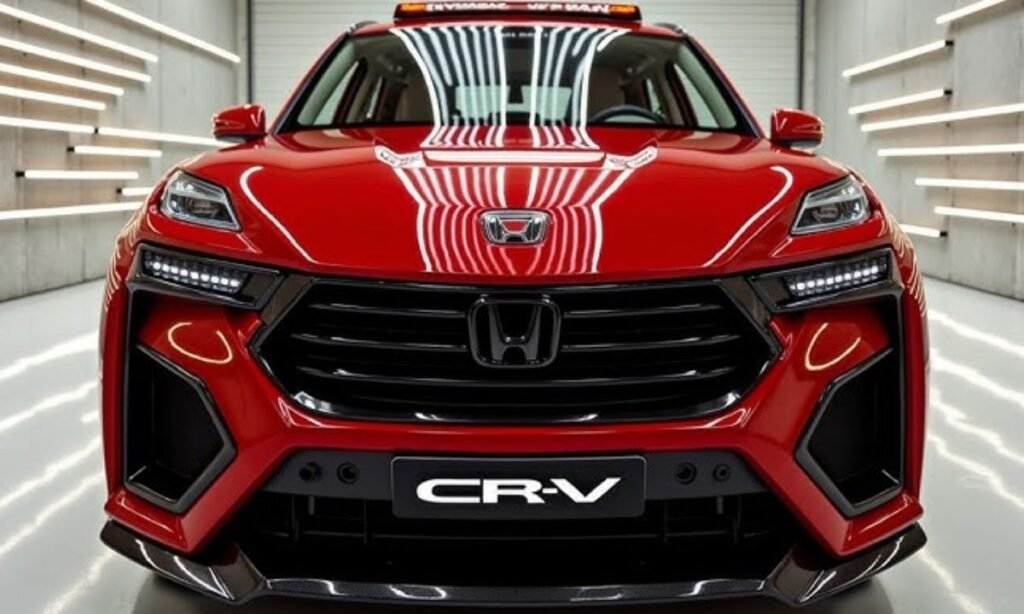
The Honda CR-V has long been a top pick in the compact SUV world, and the 2026 model pushes that reputation even further. With smart updates focused on tech, efficiency, and versatility, it continues to stand out against tough rivals. This refresh keeps the CR-V practical for daily driving while adding features that make it feel fresh and competitive.
Fresh Updates That Matter
Honda didn’t overhaul the CR-V for 2026, but the changes hit the right spots. Every trim now comes with a larger 9-inch touchscreen as standard equipment, up from smaller displays in past years. Wireless Apple CarPlay and Android Auto join the mix across the board, along with a wireless phone charger that eliminates cable clutter.
The EX-L trim steps up with a new 10.2-inch digital instrument display for a cleaner, more modern cockpit view. All-wheel-drive versions get improved traction management for better low-speed grip in tricky conditions. New wheel designs add a sharper look without changing the overall shape that drivers already know and trust.
Powertrain Choices That Deliver
Buyers can stick with the reliable 1.5-liter turbocharged engine making 190 horsepower, or go for the hybrid setup that combines a 2.0-liter engine with electric motors for a total of 204 horsepower. The hybrid stands out for its smooth power delivery and impressive fuel economy.
Real-Time AWD remains available on most models, giving confidence in rain, snow, or light trails. The new TrailSport Hybrid trim brings a rugged edge with all-terrain tires, unique styling touches, and enhanced capability for those who want more than just pavement driving.
Here are the key highlights of the hybrid performance:
- Combined output reaches 204 horsepower for quick, responsive acceleration
- EPA estimates hit up to 40 mpg combined in front-wheel-drive models
- Torque delivery feels seamless thanks to the electric motors
- Towing stays practical at around 1,000 pounds for small trailers
Pricing That Keeps It Accessible
Starting prices for the 2026 CR-V land around $32,000 for the base LX trim, with higher-end gas models climbing into the mid-$30,000s. Hybrid versions begin closer to $35,000, and the adventure-ready TrailSport Hybrid sits around $38,800.
Those numbers position the CR-V competitively in a crowded field. It avoids feeling overpriced while packing more standard tech than many direct competitors. The value shines through in resale strength, low ownership costs, and the peace of mind that comes with Honda’s reputation for durability.
Interior Space and Everyday Practicality
The cabin remains one of the roomiest in the class, with generous legroom in both rows and clever storage spots throughout. Cargo space stays impressive, especially with the rear seats folded, making it easy to haul groceries, sports gear, or weekend luggage.
Materials feel solid, and the layout prioritizes comfort over flashy design. Front seats offer good support for long drives, while the rear bench accommodates adults without feeling squeezed.
How It Stacks Up Against Rivals
The CR-V holds its own against strong players like the Toyota RAV4, Hyundai Tucson, and Mazda CX-50. Its blend of ride comfort, fuel efficiency in hybrid form, and straightforward operation gives it an edge for families who want reliability without drama.
While some competitors offer more aggressive styling or sharper handling, the CR-V excels at being well-rounded. It avoids major weaknesses and delivers consistent performance year after year.
The Bottom Line
The 2026 Honda CR-V reinforces why it remains a leader in the compact SUV segment. Thoughtful tech upgrades, strong efficiency options, and a price that delivers real value make it hard to beat for most buyers. Whether commuting in the city or tackling light adventures, this model handles it all with the kind of quiet competence that keeps owners coming back.