
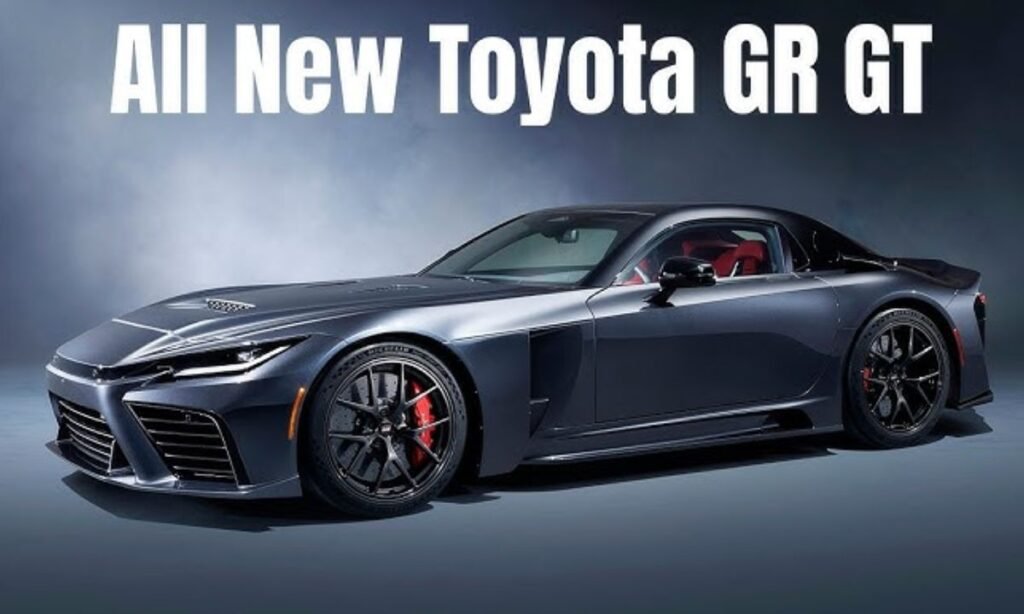
Toyota has just dropped a bombshell in the performance car world with the reveal of the GR GT. This new flagship from Gazoo Racing blends raw racing DNA with road-going usability, sparking instant debate about whether it can challenge European supercar giants or stand as the pinnacle of Japanese engineering. Unveiled as a prototype with a clear path to production around 2027, the GR GT has enthusiasts buzzing over its bold design and serious performance credentials.
A New Era for Gazoo Racing
The GR GT marks the arrival of Toyota’s dedicated GR brand taking center stage. Positioned as the halo model above the GR86 and GR Corolla, it carries forward the legacy of icons like the 2000GT and Lexus LFA. Gazoo Racing developed this car with a clear focus on driver engagement, building a machine that’s as much at home on the track as it is on public roads. The reveal came alongside a race-ready sibling, showing Toyota’s commitment to blending motorsport tech with everyday excitement.
Powertrain That Packs a Punch
At the heart of the GR GT sits a twin-turbocharged 4.0-liter V8 engine paired with a hybrid system. Development targets point to over 650 horsepower and strong torque figures, delivered through a rear-wheel-drive layout for classic handling feel. An electric motor integrated into the transmission adds instant response without overwhelming the pure combustion character. This setup promises explosive acceleration while keeping weight in check and maintaining a low center of gravity for better balance.
- Twin-turbo V8 provides the main thrust with high-revving excitement
- Hybrid assistance delivers seamless torque fill and improved efficiency
- Rear-wheel drive layout ensures precise, engaging dynamics
- Eight-speed automatic transmission handles power delivery smoothly
Engineering Focused on Pure Driving
Toyota engineers prioritized three core elements to make the GR GT stand out: low center of gravity, lightweight construction with exceptional rigidity, and advanced aerodynamics. The front-engine layout keeps proportions long and low, while careful placement of components helps achieve near-perfect weight distribution. Aggressive bodywork generates serious downforce, supporting high-speed stability without sacrificing road manners. The result is a car engineered to feel alive at any pace.
Racing Pedigree Built In
Sharing DNA with its GR GT3 counterpart, the road version draws heavily from circuit experience. The GT3 variant complies with FIA regulations, aimed at customer racing teams chasing victories. This close connection means the street-legal GR GT benefits from proven track technology, from chassis tuning to aerodynamic solutions. Toyota positions both models as tools for drivers who crave competition, whether on public roads or professional grids.
How It Stacks Up Against the Competition
Talk of the GR GT as a potential Ferrari fighter stems from its performance ambitions and pricing expectations. While exact figures remain under wraps, estimates place it in the realm of high-end sports cars like the Porsche 911 GT3 or Mercedes-AMG GT, offering comparable power at what could be a more accessible point. The hybrid V8 setup gives it an edge in responsiveness over pure combustion rivals, and the focus on driver involvement sets it apart from heavier, tech-heavy alternatives. Whether it truly disrupts the supercar hierarchy will depend on final specs and real-world testing.
The Road Ahead
As development continues toward a likely 2027 launch, the GR GT represents Toyota’s strongest statement yet in the high-performance segment. It combines Japanese precision, motorsport heritage, and modern hybrid tech into one compelling package. Enthusiasts see it as both a worthy successor to past legends and a fresh challenger to established supercar names. If it delivers on its promises, the GR GT could redefine what a Japanese supercar can achieve.